
Essential Audiobook Narration Skills
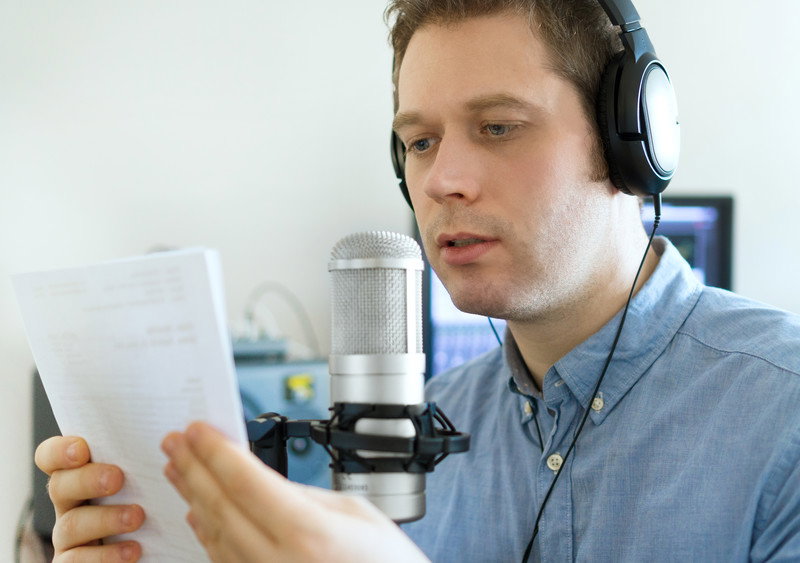
Master these skills and listeners will take your narration for granted, which is the goal. Narrating an audiobook is demanding, and the best narration is the kind nobody notices.
The Art of Articulation
Aim for clear, clean pronunciation. Avoid over- or under-articulating, except when voicing a character. Avoid sibilance, whistling, lisping and mouth noises.

The Act of Breathing
Good breath control keeps you from running out of air, gasping, fading, swallowing words or gulping. Control plosives, keep volume consistent, project appropriately, and keep mouth noise and throat clearing to a minimum. Extra noise means more editing, and studios may hesitate to hire narrators who need heavy post-production.

Telling the Story
Match your delivery to the spirit of the text and the author’s intent, and keep it consistent. Recording usually spans several days, so your pitch and energy should stay steady from day to day.
Control Your Eye, Brain and Mouth
Suit pace and timing to the text, and vary the shape of your sentences. Repetitive cadence and pitch patterns must be avoided at all costs. Read the script exactly, without omitting, adding or changing words. If a change is needed, update the printed or ebook text and supply that version for proofing.

Separation of Duty
Narrator and character voices must not bleed into each other. Attribution phrases such as “he said” or “she said” belong to the narrator’s voice, never the character’s.
Allow Time for Recording
Record only when you have the time and can focus. Stay energized from start to finish, and be physically fit and emotionally stable: audiobook performance is a marathon, not a sprint.
Emotional Connection
Strong narration paints a picture rather than just reading words. Even dull material should sound engaging, which draws listeners in and encourages them to buy future releases.